

Know your land before you commit to building on it
Buying a piece of land in the Sea to Sky Corridor is one of the most significant financial decisions you'll make — and one of the most misunderstood. A lot that looks perfect on a listing sheet or during a sunny afternoon visit can hide serious challenges that only become apparent once you've committed and started the design or permitting process. Unexpected soil conditions, restrictive zoning, prohibitive servicing costs, flood plain designations, or steep slope requirements can add tens or even hundreds of thousands of dollars to a build — or in some cases, make a property unbuildable for your intended purpose entirely. That's why Balmoral offers dedicated land consultation as a standalone service. We help you understand exactly what a property can and cannot support before you buy, so you can make an informed decision with real numbers instead of assumptions.
Each community in the Sea to Sky presents its own distinct set of land challenges. In Whistler, lots are frequently steep, heavily treed, and subject to demanding municipal requirements including steep slope development permits, significant snow load engineering, bear-smart waste management provisions, and restrictive building envelopes that can dramatically reduce the usable footprint of what looks like a generous lot. Proximity to the Agricultural Land Reserve adds another layer of complexity for properties near the edges of the RMOW. In Pemberton, the challenges are different but equally impactful — expansive clay soils that require engineered foundations, flood plain designations that dictate minimum building elevations and limit development options, and the distinction between Village of Pemberton and SLRD (Squamish-Lillooet Regional District) jurisdiction, which affects everything from permitted uses to servicing requirements and development cost charges. Squamish brings coastal conditions including high wind exposure, rapidly evolving development plans in a municipality experiencing significant growth, varied soil conditions across the Squamish River valley, and infrastructure capacity questions in newer development areas. A builder who doesn't know these distinctions intimately can't give you an honest assessment of what your lot will cost to develop.
Marc Harvey, Balmoral's founder, has spent over 20 years evaluating properties and building custom homes across this corridor. He's seen lots that looked like straightforward builds turn into budget nightmares because nobody investigated the servicing costs, and he's seen properties that others dismissed turn out to be excellent building sites once the constraints were properly understood. That experience — knowing what to look for, what questions to ask the municipality, and what the real costs are likely to be — is what makes a professional land consultation so valuable. We've walked hundreds of properties across Whistler, Pemberton, and Squamish, and we know the specific issues that affect each neighbourhood and each type of terrain. Our evaluation covers site viability and buildability, zoning and setback compliance, soil conditions and drainage, road access and servicing requirements, slope and environmental constraints, municipal requirements specific to the jurisdiction, and a preliminary budget feasibility assessment so you can make your decision with clear eyes.
Whether you're shopping for a lot, have already purchased and want to understand what you're working with, or are trying to decide between two properties, our land consultation gives you the information you need to move forward confidently. We help buyers avoid the most common and costly mistakes in the Sea to Sky — buying the wrong lot, underestimating servicing costs, missing zoning restrictions that limit your plans, or failing to account for geotechnical requirements that inflate the foundation budget. And because we also offer general contracting and project management, we can carry that knowledge straight through into the design and construction phases if you choose to build with us. We're also happy to connect you with trusted architects, engineers, and surveyors who understand the specific demands of building in this region. See our completed projects to understand the kinds of properties and builds we've managed, or read what our clients say about working with us.
What We Cover in a Land Consultation
Site Viability Assessment — We walk the property and assess its fundamental buildability. This includes evaluating the slope, aspect, sun exposure, drainage patterns, vegetation, and any visible environmental constraints. We look at the lot through the lens of someone who will actually have to build on it — not just sell it.
Zoning & Setback Review — Every municipality in the Sea to Sky has different zoning bylaws, setback requirements, height restrictions, and lot coverage maximums. We review the applicable regulations for your specific property and determine the realistic building envelope — the actual area where you can place a structure. In many cases, this is significantly smaller than buyers expect.
Soil & Drainage Evaluation — Soil conditions in the corridor vary dramatically, from solid bedrock in parts of Whistler to expansive clays in Pemberton to alluvial deposits in Squamish. We assess visible soil conditions and drainage characteristics, and advise whether a formal geotechnical investigation is warranted before you proceed.
Access & Servicing Assessment — Getting water, sewer, hydro, gas, and road access to a lot can be straightforward or extraordinarily expensive depending on the property. We evaluate existing servicing, identify what's needed, and provide a realistic estimate of the costs involved. For rural or semi-rural properties in the SLRD, servicing costs alone can make or break a project's feasibility.
Budget Feasibility Analysis — Based on the site conditions, zoning constraints, and servicing requirements, we provide a preliminary assessment of what it will realistically cost to build on the property. This isn't a formal estimate — it's a reality check that helps you decide whether the lot makes financial sense for what you want to build. Contact us to discuss your property.
Common questions about land consultation
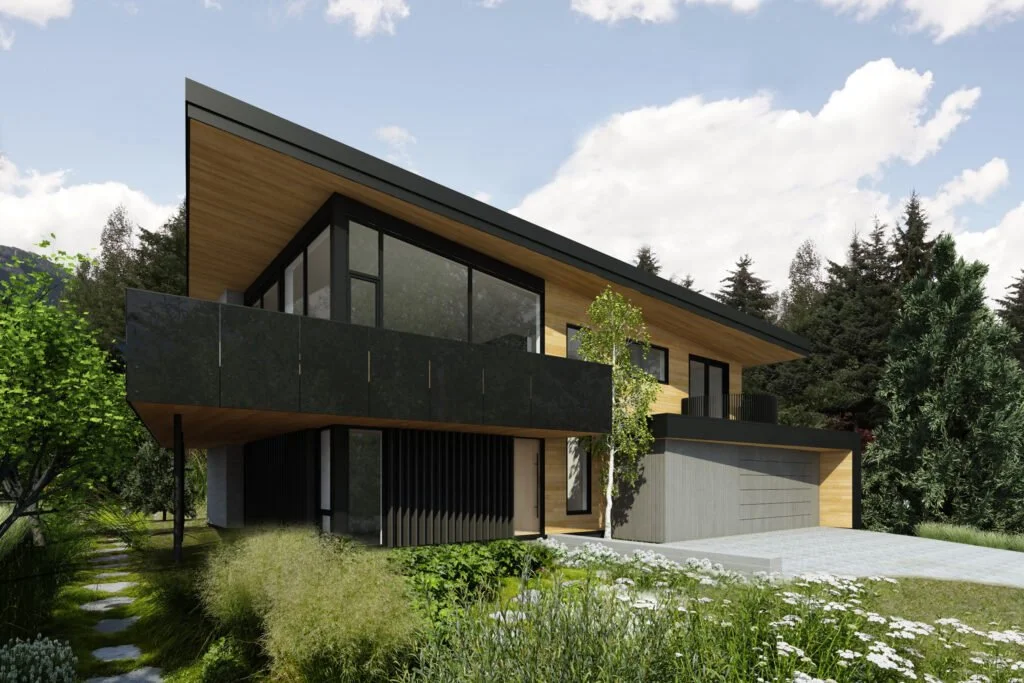
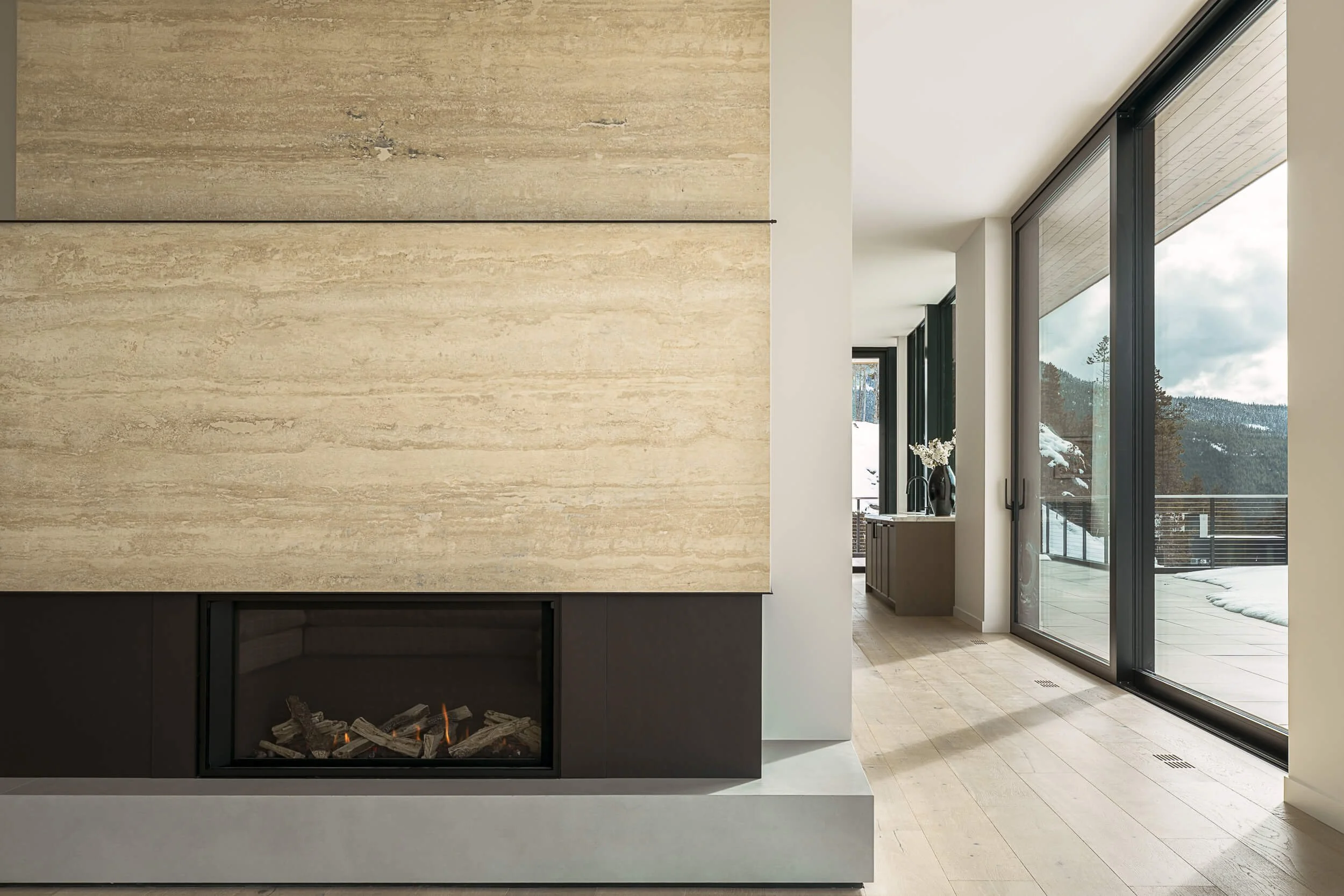
Built across the corridor


Considering a piece of land?
Before you buy, build, or break ground — talk to someone who knows the terrain. We'll help you understand exactly what your lot can and cannot do.
Start a Conversation